

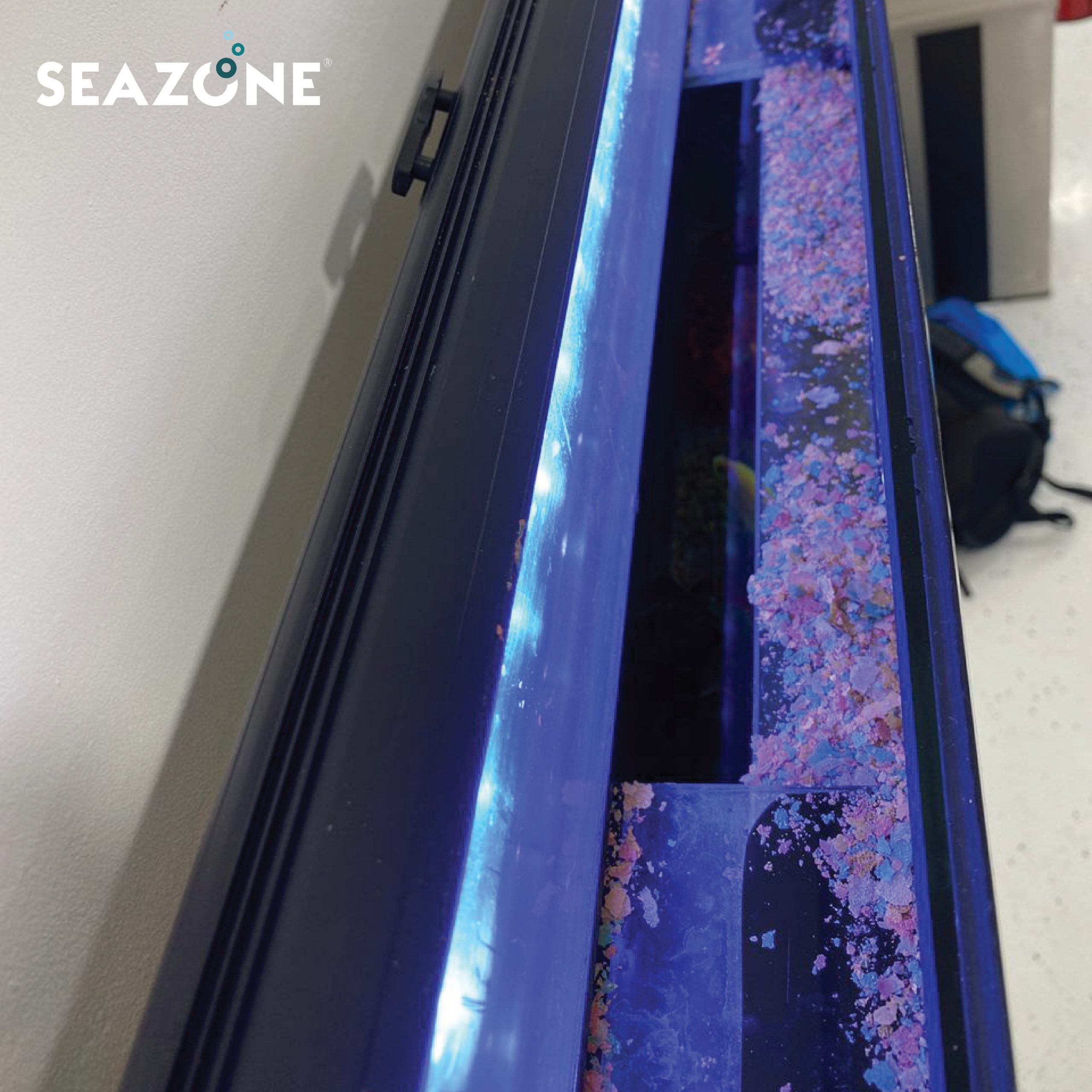
Overfeeding an aquarium can have negative consequences for the fish, plants, and overall ecosystem within the tank. When you overfeed, excess food can decompose and lead to several problems:
Water Quality Issues: Uneaten food decomposes, releasing ammonia into the water. Elevated ammonia levels can be toxic to fish and other aquatic organisms, causing stress and potential health issues.
Algae Growth: Excess nutrients from uneaten food can contribute to an increase in algae growth. Algae blooms can reduce water clarity, compete with plants for nutrients, and create an unsightly appearance in the aquarium.
Deteriorating Water Conditions: Decomposing organic matter can also contribute to a decrease in water quality, leading to higher levels of nitrites and nitrates. Elevated nitrate levels can negatively impact fish health and may require more frequent water changes.
Health Issues for Fish: Overfed fish can suffer from various health issues, including obesity, bloating, and digestive problems. Some fish may become lethargic or more susceptible to diseases.
To prevent overfeeding, follow these guidelines:
Feed in Moderation: Feed your fish an amount they can consume in a few minutes, and remove any uneaten food promptly.
Establish a Feeding Schedule: Stick to a consistent feeding schedule to avoid accidental overfeeding. Most fish benefit from being fed once or twice a day.
Monitor Fish Behavior: Watch your fish while feeding to ensure they are actively consuming the food. If there’s a significant amount of uneaten food after feeding, adjust the quantity accordingly.
Use the Right Food: Choose high-quality fish food appropriate for the species in your aquarium. Some fish have specific dietary requirements, and overfeeding with the wrong type of food can be detrimental.
If you have already overfed your aquarium, consider the following actions:
Remove Excess Food: Use a fish net or a siphon to remove any uneaten food from the tank.
Monitor Water Parameters: Test the water for ammonia, nitrites, and nitrates. If you detect elevated levels, consider performing a partial water change to improve water quality.
Adjust Feeding Habits: Going forward, adjust your feeding habits to prevent overfeeding.
Maintaining proper feeding practices is crucial for the health and well-being of the aquarium inhabitants and the overall stability of the aquatic environment