

Understanding the psychology of gambling why we bet and what drives us
The Allure of Risk: Why We Gamble
The psychology behind gambling is deeply rooted in human nature. One of the primary reasons people engage in gambling is the thrill associated with risk-taking. The excitement of potentially winning large sums of money can lead to a dopamine rush, similar to the high experienced during other risky activities. This physiological response encourages individuals to seek out gambling environments, from casinos to online platforms, where the stakes are high and the rewards even higher.

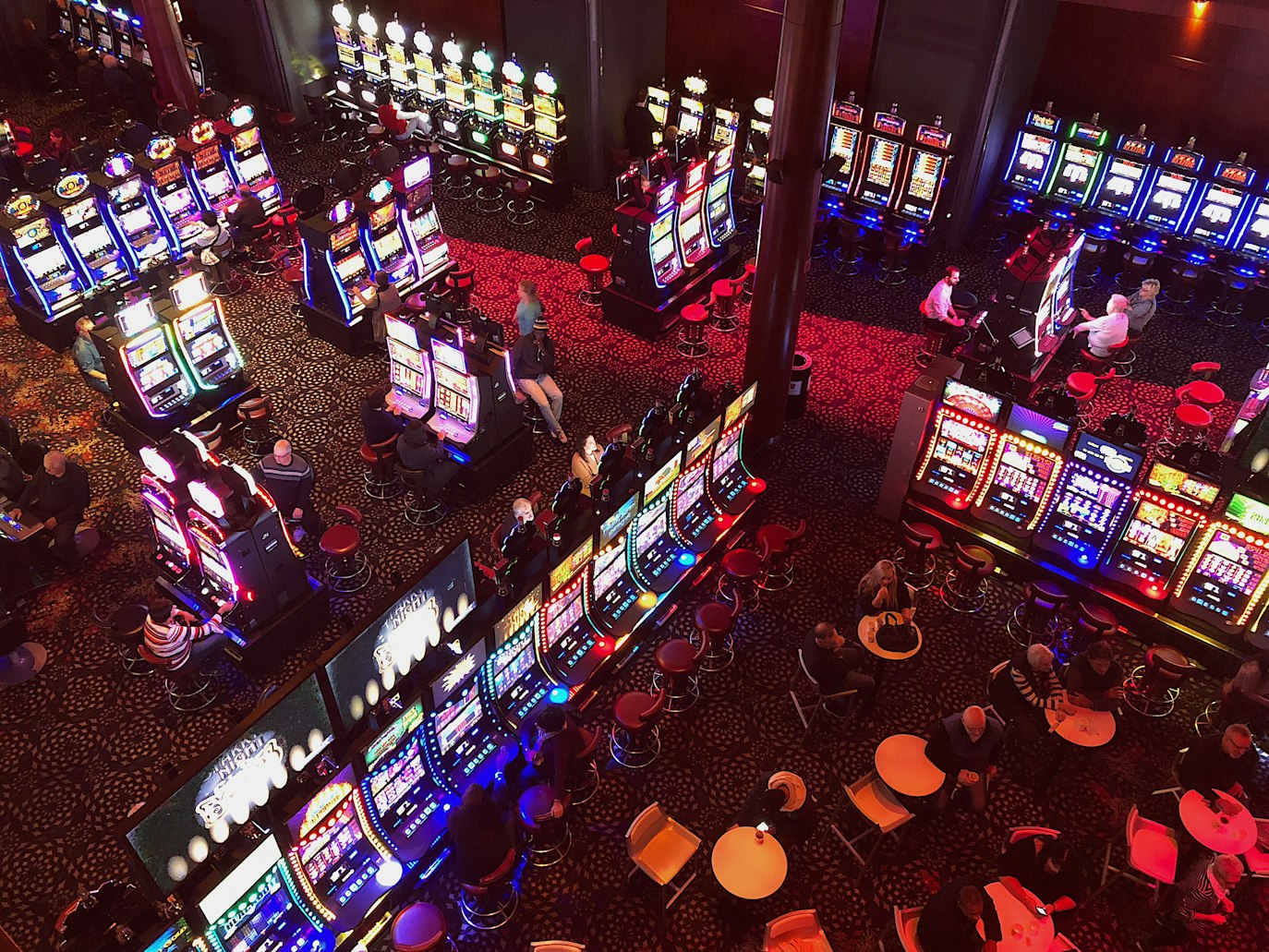
Moreover, the unpredictability of gambling outcomes feeds into our desire for excitement. Many people find the uncertainty exhilarating, which can explain why some are drawn to games of chance like roulette or slot machines. This element of surprise not only heightens the gambling experience but also keeps players coming back for more, as they chase the elusive win that promises to change their lives. Such engagement becomes a cycle where the thrill of betting feeds into further gambling behavior. best online casino in south africa
Finally, societal influences contribute to the decision to gamble. From movies that glamorize high-stakes games to friends who encourage participation, many external factors can ignite the urge to gamble. This cultural normalization of betting contributes to its allure, leading individuals to believe that they, too, can achieve the same levels of excitement and financial success as depicted in popular media. Understanding these motivations is essential to grasp why gambling remains a pervasive pastime.
The Role of Cognitive Biases in Gambling
Cognitive biases play a significant role in gambling behavior. One common bias is the “gambler’s fallacy,” where players believe that past outcomes will influence future events. For example, someone may think that after a series of losses on a slot machine, a win is “due.” This mistaken belief can lead to increased betting and potentially significant losses, as players chase their perceived inevitable victory. Understanding this cognitive distortion is essential for anyone looking to engage in gambling responsibly.
Another bias is the illusion of control, where individuals believe they have more influence over the outcomes of games than they actually do. This is particularly prevalent in games like poker, where skill plays a part, but luck remains a significant factor. Players may overestimate their decision-making abilities, leading to more frequent and larger bets. This inflated self-assessment can encourage reckless gambling behaviors, distancing individuals from the realities of chance and luck.
Additionally, the concept of near-misses significantly affects gamblers’ psychology. When a player almost wins, it often produces a strong emotional response that can encourage continued play. The brain’s reward systems may interpret these near-wins as indicators of skill or impending success, which can mislead players into believing they are closer to victory than they are. Awareness of these cognitive traps can help individuals mitigate risk and approach gambling with a more informed perspective.
The social environment surrounding gambling can heavily influence individual behavior. For many, gambling is a communal activity where bonding with friends and family occurs. Casinos and betting houses often foster a lively atmosphere filled with excitement and camaraderie. This social dimension makes gambling more appealing, as people enjoy sharing experiences and emotions, whether in victory or defeat.
Peer pressure can also play a significant role in why we bet. Friends or family members may encourage individuals to gamble, reinforcing the belief that it is a fun and socially acceptable activity. Socially driven gambling can lead individuals to bet more than they would on their own, impacting their decision-making process. The desire to fit in or maintain social status can propel one into reckless gambling behavior, as the lines between responsible gaming and excessive betting become blurred.
Moreover, the rise of online gambling has transformed the social aspect of betting. Virtual platforms allow individuals to connect with fellow gamblers worldwide, further amplifying the sense of community. Social media and online forums also provide avenues for sharing experiences, strategies, and even regrets, making gambling feel more normalized and less isolated. However, this can also lead to harmful behaviors, as the social endorsement of gambling may lead to addiction or excessive losses.
The Emotional Impact of Gambling
The emotional rollercoaster of gambling is another significant driver behind the activity. The highs of winning can lead to feelings of euphoria, while losses often evoke emotions such as disappointment and frustration. This complex emotional landscape can create a powerful addiction, as individuals chase the highs associated with wins while trying to cope with the lows of losses. Understanding these emotional dynamics is vital for anyone engaging in gambling.
Additionally, many gamblers use betting as a coping mechanism. For some, gambling offers an escape from stress, anxiety, or depression. The thrill of the game can momentarily distract individuals from their challenges, leading to an unhealthy reliance on gambling as a form of emotional relief. Over time, this reliance can spiral into a destructive cycle, where the temporary highs are overshadowed by significant emotional lows.
The impact of gambling on relationships is another critical emotional aspect to consider. As gambling behavior escalates, it can strain personal relationships and lead to feelings of isolation. Loved ones may feel neglected or hurt by an individual’s betting habits, leading to conflict and emotional distress. Recognizing these emotional consequences can help gamblers and their families find healthier ways to cope and communicate, promoting a more balanced approach to gambling.
Your Resource for Responsible Gambling
Understanding the psychology of gambling is essential for navigating this complex activity responsibly. This website aims to provide comprehensive insights into various aspects of gambling, offering resources to help individuals make informed decisions. Whether you’re a seasoned bettor or new to the world of gambling, the site features valuable information on games, strategies, and responsible gambling practices.
Additionally, the platform offers tips and advice tailored for those who wish to gamble more responsibly. With a focus on promoting awareness of gambling behaviors, the site encourages users to evaluate their habits and understand their motivations for betting. By providing tools and resources, individuals can better manage their gaming experiences, fostering a healthier relationship with gambling.
Ultimately, this website serves as a hub for anyone interested in understanding the intricacies of gambling psychology. From exploring the thrill of risk to addressing emotional challenges, it offers guidance to enhance your gambling experience while maintaining responsibility. By empowering individuals with knowledge, the site hopes to foster a community of informed and mindful gamblers.